Understanding Luxury Flooring Without Hardwood Prices
As homeowners increasingly seek aesthetic appeal without the hefty price tag of solid hardwood, the flooring industry has seen a surge in alternatives that mimic luxury at a fraction of the cost. When it comes to selecting the perfect flooring material, the decision often boils down to the two most popular options: laminate and engineered wood. This guide will help you unravel the complexities of these flooring types, emphasizing how you can achieve luxury flooring without hardwood prices. By understanding your specific needs, budget, and design preferences, choosing the right flooring can become an easier task.
What Constitutes Luxury Flooring?
Luxury flooring refers to materials that provide superior aesthetics, durability, and comfort, often resembling high-end options but without the prohibitive costs. It combines high-quality design with practical functionality, allowing homeowners to achieve a sophisticated look without the financial burden. In an era of eco-consciousness and budget constraints, products that offer both style and sustainability are gaining popularity.
Comparing Laminate and Engineered Wood Options
When stepping into the world of flooring, it’s essential to grasp the differences between laminate and engineered wood, as both present unique benefits and drawbacks.
- Laminate Flooring: Constructed from layers of synthetic material, laminate offers a printed wood-grain effect topped with a protective layer. It is designed for durability and is highly resistant to scratches and stains—a perfect choice for households with pets or young children.
- Engineered Wood Flooring: Engineered wood consists of real hardwood atop multiple layers of plywood, providing the look and feel of hardwood while ensuring greater stability and resistance against moisture. It makes for a more premium option that can elevate any room’s aesthetic.
Key Differences Between Laminate and Engineered Wood
Construction and Material Composition
The construction of laminate and engineered wood differentiates them significantly. Laminate is composed primarily of high-density fiberboard (HDF) layered beneath a printed design. In contrast, engineered wood features a hardwood veneer with multiple layers of plywood, offering a more robust foundation. This layered structure allows engineered wood to handle changes in temperature and humidity better than traditional hardwood.
Durability and Maintenance Requirements
In terms of durability, laminate flooring is often favored due to its resistance to scratches, dents, and fading, making it ideal for high-traffic areas. Maintenance is straightforward; a simple sweep and occasional damp mop are sufficient. Engineered wood, while also durable, requires more care, including periodic refinishing to maintain its appearance. Regular cleaning with products designed specifically for hardwood will ensure its longevity.
Visual Appeal and Design Versatility
Engineered wood typically offers a richer aesthetic appeal, featuring real wood with unique grain patterns that create a sense of warmth and luxury. Laminate, while available in various designs imitating wood, does not provide the same authenticity. However, laminate’s wide array of styles and finishes makes it a versatile choice for many interiors, from modern to rustic settings.
Best Uses for Laminate vs. Engineered Wood Flooring
Ideal Environments for Installation
Choosing the correct flooring type depends largely on the environment where it will be installed. Laminate is perfect for living rooms, bedrooms, and even some office spaces due to its durability and easy maintenance. Engineered wood shines in spaces where aesthetic appeal is paramount, such as dining areas and living spaces where homeowners want to create a warm atmosphere.
Comparative Performance in High-Traffic Areas
In high-traffic areas, laminate flooring holds its own with its superior scratch resistance and durability. Engineered wood, although sturdy, may require more proactive maintenance in these environments to prevent wear over time. Consider laminate in hallways, family rooms, or offices where heavy foot traffic is expected.
Moisture Resistance and Care in Kitchens and Bathrooms
When it comes to moisture resistance, laminate is generally the safer choice for kitchens and bathrooms due to its waterproof properties. Engineered wood can be installed in these areas, but it must be adequately sealed and maintained to avoid damage from standing water. Ensuring proper ventilation and quick cleanup of spills is essential for both flooring types.
Cost-Effective Buying Strategies for Luxury Flooring
Budgeting for Your Flooring Project
Budgeting for flooring can be daunting, but setting a clear target can help streamline the process. Calculate the total area to be covered and compare pricing between laminate and engineered wood. While laminate is typically less expensive, engineered wood provides a considerable return on investment in terms of longevity and resale value.
Where to Find Deals on Luxury Flooring
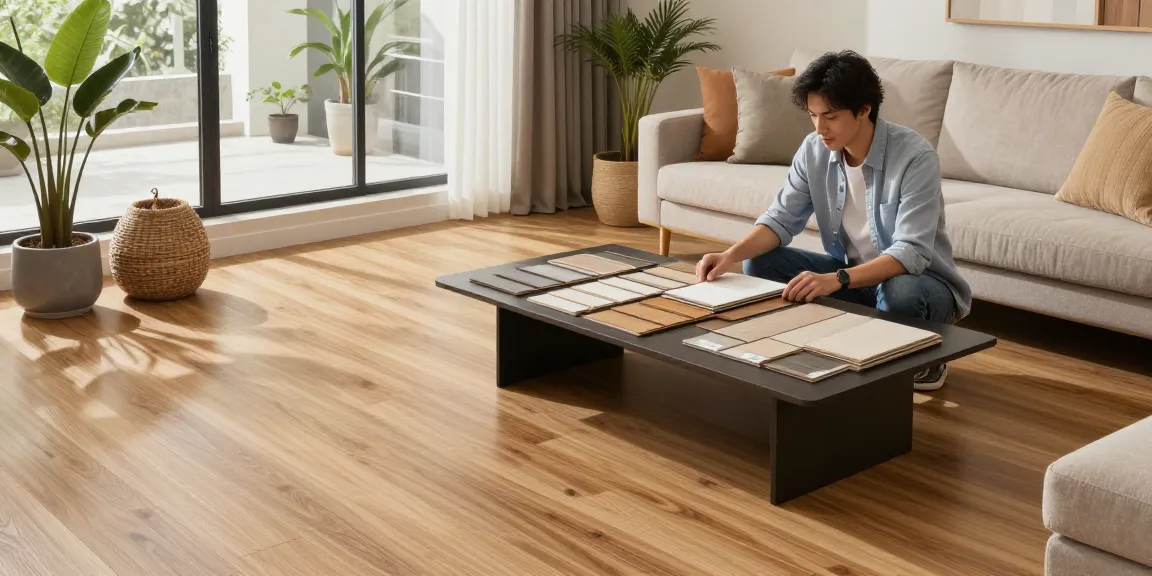
Shop during sales events and look for promotions at home improvement stores and online retailers. Many offer seasonal discounts or clearance items that can reduce your costs significantly. Additionally, consider visiting local flooring showrooms to view samples and take advantage of expert advice on your flooring selection.
Creed of Quality: Understanding Warranties
Before finalizing your purchase, ensure you understand the warranty terms for your flooring choice. Laminate often comes with warranties ranging from 15 to 30 years, while engineered wood generally promises 25 years or more, depending on the quality. Investing in high-quality brands can often yield better warranties and long-term assurance.
Future Trends in the Flooring Industry for 2026
Emerging Technologies in Flooring Materials
The flooring industry is continuously evolving, with emerging technologies improving core materials. Innovations such as enhanced water-resistance treatments and improved locking mechanisms for easier installation are on the rise. Such advancements make both laminate and engineered wood options even more appealing to consumers.
Eco-Friendly Innovations in Laminate and Engineered Wood
As sustainability becomes a priority, manufacturers are increasingly focusing on eco-friendly practices. Both laminate and engineered wood can now be sourced from sustainable forests, and many products incorporate recycled materials. Eco-conscious consumers will benefit from choosing options that align with their values.
Consumer Preferences and Market Predictions
The flooring market is projected to evolve with increasing demand for sustainable and aesthetically pleasing options. Homeowners will be more inclined towards choices that combine visual appeal with durability and affordability. As preferences shift, retailers will likely emphasize luxury looks at competitive prices.
What Should You Consider When Investing?
When investing in flooring, consider your long-term needs. Assessing factors like the room’s usage, expected foot traffic, and aesthetic preferences will guide you toward the best choice. It’s also wise to factor in installation costs, maintenance requirements, and your budget constraints.
How Can Designers Aid Your Flooring Choice?
Consulting with interior designers can provide insights that help you make informed decisions. They can recommend suitable styles, colors, and layouts that align with your home’s existing aesthetic. Designers can also offer tips on maximizing your investment in flooring while ensuring it complements your overall decor.