Introduction to Measured Building Surveys Kent
In the realm of construction and property development, measured building surveys play a critical role in ensuring accuracy and efficiency. These surveys are designed to provide detailed and precise data regarding the dimensions, shapes, and relationships of physical structures. As the industry evolves, the demand for high-quality surveys has grown significantly, particularly in Kent, where rapid development and regeneration projects require meticulous planning and execution. At Cadmap Ltd, we understand the importance of employing top-tier surveying methods to deliver actionable insights that aid architects, engineers, and developers throughout the construction process. When exploring options, Measured Building Surveys Kent provides comprehensive insights into the various services available to meet specific project needs.
What are Measured Building Surveys?
Measured building surveys are detailed assessments that provide accurate geometric representations of a property’s dimensions and features. These surveys often detail floor plans, sections, and elevations, employing sophisticated techniques such as 3D laser scanning to create a comprehensive model of the building. The focus is not only on measurements but also on capturing essential architectural and structural information, which can be pivotal for future renovations or constructions.
Importance of Measured Building Surveys in Construction
The accuracy of measured building surveys is crucial for a range of construction activities. They are particularly important for:
- Renovations and Refurbishments: Accurate surveys help identify existing conditions, allowing architects and engineers to make informed decisions.
- Compliance with Regulations: Surveys ensure that modifications comply with local regulations, reducing the risk of costly delays or legal issues.
- Design Development: Detailed survey data aids designers in creating effective and aesthetically pleasing designs that align with client expectations.
Key Regulations and Standards for Surveys in Kent
In Kent, several regulations outline the standards required for conducting measured building surveys. These include adhering to the guidelines set out by various professional bodies such as the Royal Institution of Chartered Surveyors (RICS) and The Survey Association (TSA). Compliance with these standards not only guarantees the quality of the survey but also builds trust with clients and stakeholders involved in construction projects.
Types of Measured Building Surveys
Floor Plans and Elevations
One of the most common outputs of measured building surveys are floor plans and elevations. These documents outline the layout of a building, detailing dimensions and spatial relationships. Floor plans depict the arrangement of spaces within a structure, while elevations provide a vertical view of a building. Collectively, they serve as essential tools for architects and planners to visualize and communicate design intents effectively.
3D Laser Scanning Techniques
Recent advancements in technology have led to the increased use of 3D laser scanning techniques in measured building surveys. This method captures millions of data points to create detailed three-dimensional representations of buildings. Advantages of 3D scanning include:
- High Accuracy: Laser scanning provides unmatched precision, significantly reducing human error.
- Speed: The ability to collect vast amounts of data quickly can expedite project timelines.
- Comprehensive Data: 3D models can include intricate details that may be missed in traditional surveying methods.
As-Built Surveys and Their Applications
As-built surveys capture the actual dimensions and configurations of a building after construction is completed. These surveys are vital for ensuring that the constructed work aligns with the originally intended designs. They can be utilised for:
- Facility Management: As-built information is essential for effective management and maintenance of building systems.
- Future Modifications: Accurate as-built data facilitates future renovations or expansions, saving time and costs.
- Regulatory Compliance: They help verify that the construction complies with zoning laws and building codes.
Best Practices for Conducting Measured Building Surveys
Preparing for Site Surveys: Essential Equipment
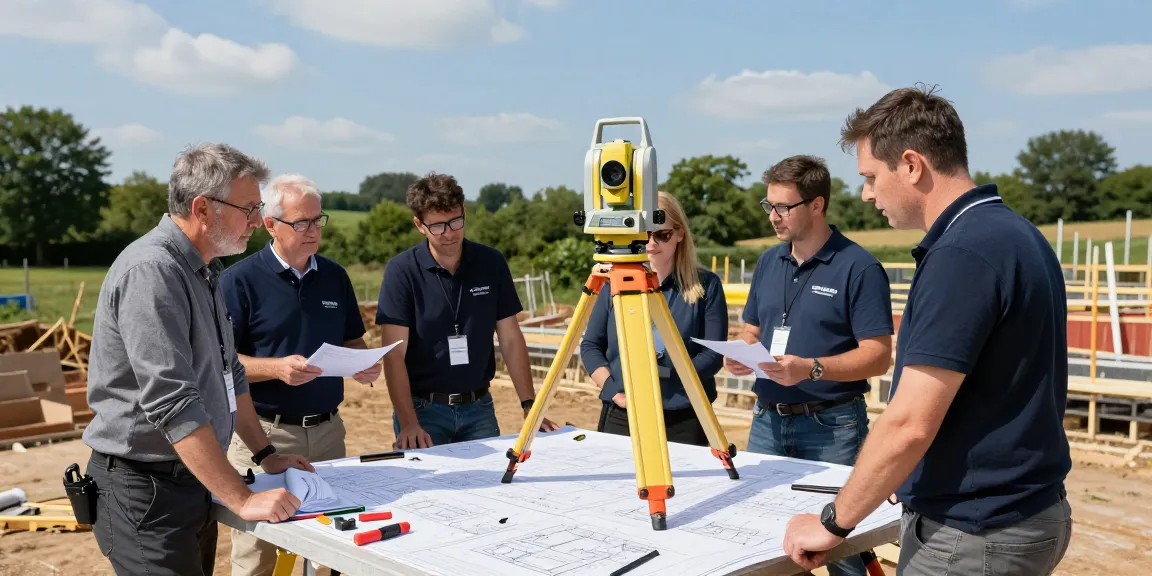
Effective measured building surveys require careful planning and the right equipment. Key tools include:
- Robotic Total Stations: These provide precise angle and distance measurements.
- 3D Laser Scanners: Essential for capturing comprehensive spatial data.
- GPS Technology: Used for site positioning and reference.
Preparation involves defining the survey scope, understanding the building’s layout, and ensuring all equipment is calibrated and tested prior to commencing the survey.
Data Collection Techniques for Accuracy
To ensure the accuracy of measured building surveys, several data collection techniques are employed:
- Trilateration: Involves measuring distances from three known points to determine an unknown point’s position.
- Triangulation: Measures angles from known points to determine the location of a point within the survey area.
- Continuously Monitoring Systems: Utilised for structural surveys to monitor movement over time.
Interpreting Survey Data Effectively
Once data is collected, interpretation is key. Surveyors should ensure they understand the building’s context and any potential implications of the data. This often involves:
- Data Validation: Cross-referencing data points to confirm accuracy.
- 3D Modelling: Using software to create useful visual representations of the data.
- Collaboration: Working closely with architects and engineers to translate survey data into actionable design insights.
Challenges in Measured Building Surveys
Common Obstacles Surveyors Face in Kent
Surveyors in Kent face unique challenges that can affect project outcomes. These include:
- Access Issues: Difficult site access can limit data collection efficiency.
- Changing Regulations: Keeping up with local regulations and standards can be demanding.
- Variable Weather Conditions: Weather can be a significant factor, impacting both safety and survey quality.
Addressing Misconceptions about Survey Accuracy
Misconceptions surrounding survey accuracy can create challenges. Many clients may underestimate the importance of using professional services, leading to poor project outcomes. It is essential for surveyors to educate clients on the benefits of using accredited firms that adhere to recognised standards, ensuring accurate results.
Regulatory Compliance Challenges
Staying compliant with evolving regulations is another challenge for surveyors. Ensuring that all surveys meet local guidelines requires continuous education and adaptability. Regular training sessions and updates on regulatory changes will help surveyors maintain compliance and minimise the risk of disputes or rework.
The Future of Measured Building Surveys in Kent
Technological Innovations Shaping the Industry
The surveying industry is undergoing significant changes thanks to new technologies. Innovations such as drones for aerial mapping and augmented reality for visualisation are transforming the way surveys are conducted. These technologies enhance accuracy, reduce time on site, and improve data representation.
Emerging Trends for 2026 and Beyond
As we look towards 2026, several trends are emerging in the field of measured building surveys:
- Increased Use of AI: Artificial Intelligence can assist in data analysis, improving efficiency and decision-making.
- Sustainability Focus: Surveys will increasingly address sustainable practices in construction, including energy efficiency and material use.
- Integration with BIM: Collaborating closely with Building Information Modelling to ensure seamless data flow throughout the project lifecycle.
Preparing for Future Regulations and Standards
Surveyors must stay proactive in preparing for future regulations. Continuous professional development, along with engagement with industry bodies, will be crucial for ensuring compliance and maintaining high standards in service delivery.
What are the benefits of Measured Building Surveys?
The benefits of measured building surveys are numerous, including enhanced project accuracy, time efficiency, and reduced risks during the construction phase. They provide a solid foundation for making informed decisions that can significantly impact the overall success of a building project.
How can I choose the right surveyor for my project?
Choosing the right surveyor involves looking for qualifications, experience, and a solid portfolio of previous work. Assessing certifications from recognised bodies, such as RICS, can also provide assurance of the surveyor’s credibility and expertise.
What technology is commonly used in Measured Building Surveys?
Common technologies include robotic total stations, 3D laser scanners, and GPS systems. These tools, combined with advanced software for data analysis and visualisation, allow surveyors to produce accurate and detailed results efficiently.
Are Measured Building Surveys required for all construction projects?
While not every project may require a measured building survey, they are highly recommended for complex projects, renovations, and any work involving existing structures. The insights gained can prevent costly mistakes and ensure compliance with regulations.
How do Measured Building Surveys impact project timelines?
Accurate surveys can significantly streamline project timelines. By addressing potential issues early in the process, teams can work more efficiently, reducing delays caused by design miscalculations or compliance issues.